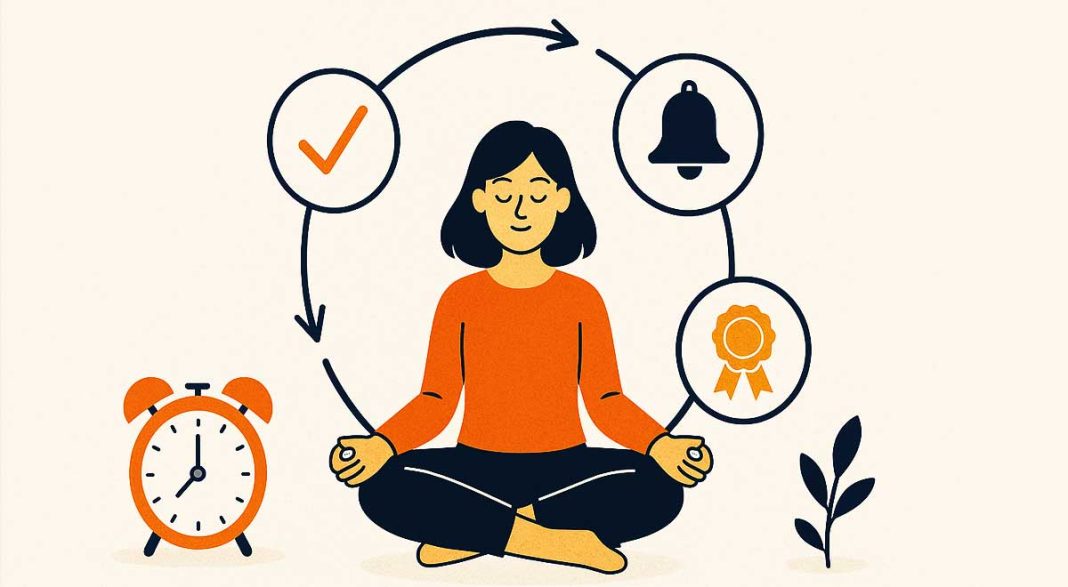
Why We Sabotage Our Own Success—Even When We Know Better
Self-sabotage isn’t just about a lack of willpower. It’s the mind’s twisted attempt to protect us from pain, rejection, or change. But here’s the good news: once you understand what’s happening, you can change the game. This post breaks down the emotional architecture of self-sabotage—and gives you a practical toolkit to beat it for good.
Key Takeaways:
- Self-sabotage is a protective pattern rooted in emotional triggers, not laziness or lack of discipline.
- It thrives on old narratives, identity mismatches, and fear of change or success.
- Recognizing physical and emotional signs can help you catch self-sabotage early.
- Replacing old patterns with simple, anchored rituals rewires the brain to support growth.
- Working with accountability and self-compassion helps sustain momentum.
- Professional support may be needed when sabotage is tied to trauma or deep anxiety loops.
The Core Anatomy of Self-Sabotage
Self-sabotage is a patterned loop:
- Trigger: An external stressor ignites a reaction.
- Emotion Surge: Anxiety or shame flares up.
- Narrative: A limiting belief replays (“I’m not good enough”).
- Behavior: You avoid or distract yourself.
- Relief: The anxiety fades briefly—then regret sets in.
- Repeat: The pattern strengthens.
“Neural pathways deepen with repetition—your brain will always default to what feels safest, not what serves you best.”
Why We Sabotage (Even When We Know Better)
Fear of success, identity clashes, and old wounds drive sabotage. Here’s how:
- Fear of change: What if success means isolation or more responsibility?
- Imposter syndrome: When your goals don’t align with your identity, your mind rejects them.
- Early conditioning: You may have learned that ambition equals danger or shame.
- Comfort in chaos: Familiar discomfort often feels safer than unfamiliar success.
Identifying Your Triggers
Emotions and physical cues signal when sabotage is near. Look for:
- Sudden tiredness or urge to scroll social media.
- Over-cleaning, snacking, or zoning out before high-stakes actions.
- Racing thoughts, tense jaw, or heavy chest.
Breaking the Cycle
Practical tools to stop the spiral:
- Rituals: Create tiny habits like 3-minute breathing before starting a task.
- Re-author your story: Replace “I’m not ready” with “I’m growing into this.”
- Accountability: Use a friend or coach to mirror back your wins and commitments.
- Reward loops: Celebrate small actions with positive reinforcement.
| Trigger | Response | Reinforcement |
|---|---|---|
| Fear of judgment | Breathing + journal: “What’s true today?” | Text a trusted friend |
| Overwhelm | Break it into 1-minute tasks | Celebrate micro-wins |
| Perfectionism | Write an ugly first draft | Focus on completion, not polish |
| Avoidance | Ask “What’s the smallest action I can take?” | Schedule 5-minute slots |
| Inner critic | Voice it, then counter with truth | Read empowering mantras |
| Imposter thoughts | Recall a past win | Visualize your future self |
FAQs 🙋🏻♂️ 🙋🏽♀️
- What is the root cause of self-sabotage? Emotional protection from perceived threats or pain.
- How do I know I’m self-sabotaging? Look for repeated patterns of avoidance or anxiety at moments of growth.
- Can journaling help with self-sabotage? Yes—it’s one of the best tools to uncover hidden thoughts and scripts.
- Is fear of success real? Absolutely. It often masks fear of identity loss or abandonment.
- Can therapy help with self-sabotage? Yes—especially if the patterns stem from childhood or trauma.
Top 10 Sabotage Patterns to Watch For
- Procrastination before meaningful goals
- Starting but never finishing projects
- Breaking routines during progress streaks
- Undervaluing your accomplishments
- Reaching for comfort distractions
- Ghosting accountability partners
- Waiting for “perfect” conditions
- Using busyness to avoid emotional discomfort
- Sabotaging relationships when things get close
- Setting unrealistic expectations to create excuses
Final Thoughts
Self-sabotage isn’t your enemy—it’s your nervous system trying to protect you from pain, loss, or vulnerability. But you get to upgrade the script. With awareness, rituals, and radical compassion, you can rewrite your pattern and rise—on purpose.