

We’ve all heard about minimalism for our homes, right? Decluttering closets, simplifying spaces. But what about our bodies? Can I Lose Weight with Minimalism? It’s a question that popped into my head recently, and honestly, it makes a lot of sense. We’re so used to thinking about weight loss as a battle, a constant fight against ourselves. But maybe, just maybe, there’s a gentler way. A way that involves doing less, not more, and actually listening to what our bodies are trying to tell us. Let’s explore how simplifying our lives might just simplify our health goals too.
Key Takeaways
- Minimalism can help you lose weight by focusing on ‘less is more’ when it comes to your diet, like controlling portions and cutting out unnecessary snacks.
- Instead of pushing your body hard, metabolic minimalism suggests that doing less, being patient, and listening to your body can actually boost your metabolism and well-being.
- Beyond the scale, adopting a minimalist approach can lead to less stress, more time for experiences, and a feeling of contributing positively to the environment.
- The ‘lazy experiment’ of eating less without feeling deprived involves simple tricks like eyeballing portions, drinking more water, and truly savoring your food.
- Minimalism offers a refreshing alternative to fad diets, promoting sustainable habits and a healthier relationship with food and your body by decluttering your thoughts and impulses.
Declutter Your Diet, Not Just Your Closet

We’re all about cleaning out closets, but what if we Marie Kondo’d our plates for a change? Let’s be real—most of us have a fridge that looks like we’re auditioning for a food hoarding TV show. There’s something hilarious about finally tossing that ancient mustard, but less funny when we realize our mealtimes are just as cluttered. Minimalism isn’t just about living with fewer socks; it’s also about eating in a way that feels simple, light, and actually helps us shed some pounds.
The ‘Less Is More’ Meal Plan
Ever notice how we pile our plates like we’re prepping for a hibernation that never comes? The minimalist way is about eating only what matters. That means:
- Take a look in the fridge—skip the random temptations and focus on the basics that keep us full and happy.
- Plan meals with a few ingredients—think roasted veggies, grilled chicken, beans, rice. Not boring, just easy.
- Stop stressing over every superfood. Tomatoes can be heroes, too.
Here’s a simple table to show a typical week on the “less is more" plan:
| Day | Dinner in Five Ingredients or Fewer |
|---|---|
| Monday | Chicken, broccoli, garlic, olive oil, rice |
| Tuesday | Black beans, corn, bell pepper, quinoa, lime |
| Wednesday | Egg, spinach, tomato, feta, toast |
| Thursday | Salmon, lemon, asparagus, butter, couscous |
| Friday | Tofu, soy sauce, green beans, carrots, noodles |
Minimalist meals aren’t about missing out—they’re about making every bite count (and doing fewer dishes).
Portion Control: The Minimalist’s Secret Weapon
Here’s the crazy part: most of us are eating out of habit, not hunger.
- Try using smaller plates. (Turns out grandma was onto something.)
- Serve up less than you think you need—your stomach will rebel until it adjusts, but then it’ll thank you.
- Skip the measuring cups. We can all eyeball what a serving looks like, and it’s way less annoying.
The beauty of less is, you start to notice when you’re actually full, instead of just eating till you’re stuffed.
Snack Attack? Not Anymore!
Raise your hand if you snack just because you’re bored. Yeah, us too. Embracing a minimalist snack plan means not letting random cravings rule our lives. Here’s the minimalist method:
- Identify what’s a real snack (apple, handful of almonds) and what’s just junk (mystery items from the back of the pantry).
- Drink a glass of water when cravings hit—sometimes the body’s just thirsty.
- Set snack windows. If it’s not snack o’clock? Wait till it is.
It’s almost funny how much better we feel when random snacking isn’t cluttering up our day. More time, less guilt, and hey, fewer trips to the store.
So, next time you’re all fired up to declutter, start with your diet. It won’t be as easy as tossing those old jeans, but it might just bring more peace to your stomach and your kitchen. And maybe, a little more room in your jeans, too. For more on how cleaning up your whole life can help your health, check out these minimalism rules for everyday calm.
Metabolic Minimalism: Doing Less, Feeling More
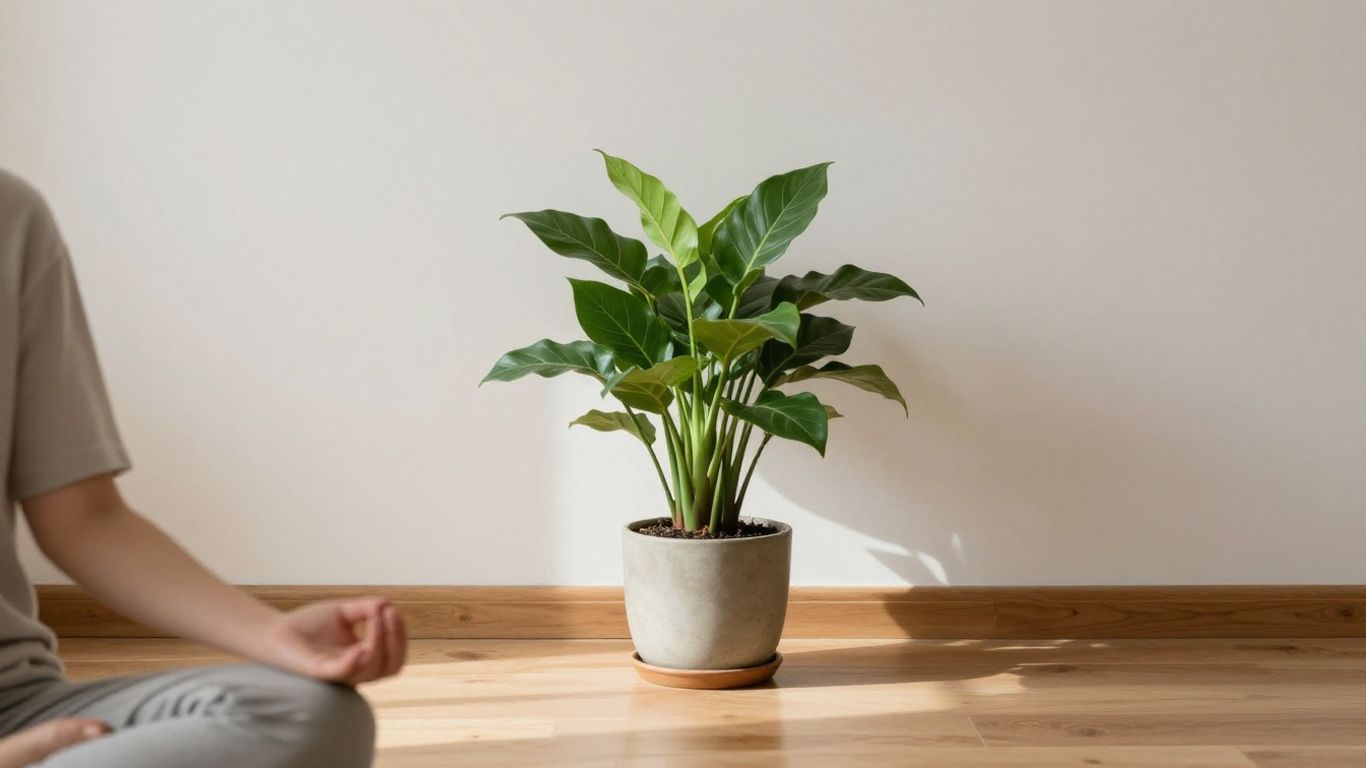
We’ve all been there, right? The Monday morning pep talk, the calorie counting that makes you feel like a forensic accountant, the workouts that leave you feeling more broken than buff. We’re told that to lose weight, we need to push harder, do more, and basically wage war on our own bodies. But what if I told you that your metabolism actually hates that kind of hustle? It’s true. Our bodies are not machines designed for constant overdrive. They’re more like finely tuned instruments that thrive on balance and rhythm, not a relentless drum solo.
Why Your Body Hates Hustle Culture
Think about it. When we constantly push ourselves with extreme diets or over-the-top exercise routines, our bodies go into survival mode. This isn’t a good look for fat loss. Instead, our metabolism slows down to conserve energy, cortisol (that pesky stress hormone) spikes, sleep goes out the window, and suddenly, those cravings for all the things you’re not supposed to eat become deafening. It’s like trying to reason with a toddler who’s had too much sugar – it’s just not going to work. We end up exhausted, cranky, and often, no closer to our weight goals. It’s a cycle that’s frankly exhausting and counterproductive. Our bodies are designed for harmony, not for constant, stressful demands.
The Power of Patience and Rhythm
So, what’s the alternative? Metabolic minimalism. It’s not about being lazy or giving up; it’s about being smart. It means swapping out the punishment for patience, the rigid restriction for a more natural rhythm, and the constant “fixing” for actual listening. Instead of micromanaging every bite and every step, we give our bodies the space to do what they do best. This might look like incorporating gentle movement, like daily walks, which can help keep your body in a fat-burning mode without triggering stress. It also means prioritizing sleep, which is crucial for regulating those appetite hormones. When we stop interrupting our biology with chaos, it actually starts working with us. This approach can lead to a healthier metabolism and a more balanced state, which is key for sustainable weight management and overall well-being. It’s about trusting the process and allowing your body to find its natural flow, which can be incredibly liberating and effective for long-term health support.
Listening to Your Body’s Whispers
This is where the real magic happens. When we stop the external noise of diet culture and start paying attention to our internal cues, things shift. We begin to understand when we’re truly hungry and, more importantly, when we’re actually full. This means ditching the scale as the sole dictator of progress and tuning into how we feel. Are we more energetic? Is our mood better? Are we sleeping soundly? These are the real wins. It’s about recognizing that weight loss isn’t just about a number; it’s about cultivating a healthier relationship with ourselves and our bodies. By reducing stress and focusing on nourishment rather than deprivation, we can achieve a state where our bodies feel supported, not attacked. This mindful approach helps in suppressing hunger and cravings naturally, leading to a more sustainable and enjoyable journey.
Beyond the Scale: Minimalism’s Holistic Health Wins
More Time, Less Stress, Better You
So, we’ve talked about decluttering our plates and maybe even our workouts, but minimalism’s impact on our health goes way beyond just the number on the scale. Think about it: when we stop chasing every new diet trend or obsessing over every calorie, we free up a ton of mental energy. This isn’t just about having more time to, like, watch Netflix (though that’s a perk!). It’s about reducing the constant background noise of ‘shoulds’ and ‘musts’ that often come with trying to be ‘healthy.’ Less stuff, less clutter, less stress – it all adds up to a calmer mind. And a calmer mind? That’s a pretty big win for our overall well-being, wouldn’t you say? It’s like finally turning down the volume on a really annoying radio station that’s been playing in your head 24/7. This reduction in external chaos can foster greater mental clarity, improve focus, and contribute to overall well-being. This reduction in external chaos can foster greater mental clarity, improve focus, and contribute to overall well-being.
Finding Joy in Experiences, Not Stuff
When we’re not constantly buying new workout gear or the latest ‘superfood,’ we tend to shift our focus. Instead of accumulating things, we start accumulating experiences. This could mean more weekend hikes, trying out that new yoga class without feeling guilty about the cost, or simply having more quality time with friends and family because we’re not out shopping. It’s about realizing that true satisfaction often comes from doing, not owning. We’re trading fleeting material pleasures for lasting memories and genuine connections. It’s a pretty sweet deal when you think about it.
The Environmental High-Five
And hey, let’s not forget our planet! Embracing minimalism often means consuming less, which is a massive win for Mother Earth. Less packaging, less waste, less demand for resources – it all adds up. It feels pretty darn good to know that our choices are not only benefiting us but also contributing to a healthier planet. It’s like getting a little high-five from the universe every time we choose to reuse something or opt for a sustainable option. Plus, studies show that people feel a greater sense of fulfillment when they engage in environmentally supportive behaviors. It’s a win-win-win situation, really. Clarkson’s weight loss journey offers benefits beyond physical health, incorporating a holistic approach that includes diet, exercise, and mental well-being. Clarkson’s weight loss journey offers benefits beyond physical health, incorporating a holistic approach that includes diet, exercise, and mental well-being.
The Lazy Experiment: Eating Less Without Feeling Deprived
Okay, so we’ve talked about decluttering our closets and our diets, but what about actually eating less without feeling like we’re starring in a sad movie about starvation? This is where our inner lazy genius comes out. Forget counting every single almond or doing burpees until you cry. We’re talking about a chill approach, a way to gently nudge our eating habits without a full-blown rebellion.
Eyeballing Portions Like a Pro
Honestly, who has time to measure everything? We’re going for the "eyeball it" method. Think about your usual plate. Now, imagine it with just a little less. Maybe two-thirds of what you normally pile on. It’s not about cutting out entire food groups, but just… reducing the volume a smidge. It’s amazing how much we can actually eat without feeling like we’re missing out, especially when we focus on clean eating principles, meaning we’re filling up on nutrient-dense foods. It’s about quality, not just quantity, right?
Water: Your New Best Friend
This one’s a classic for a reason. Feeling that little rumble in your tummy between meals? Before you reach for a snack, chug some water. Seriously. Sometimes our bodies just send out a confused "I’m thirsty" signal that we misinterpret as "I’m starving." Plus, staying hydrated is just good for everything. It keeps your skin looking decent and your brain from feeling like mush. It’s the ultimate low-effort, high-reward hack.
Savoring Every Single Bite
This is where the magic happens. When you’re eating less, you actually start to taste your food. Revolutionary, I know! Instead of shoveling it in while scrolling through your phone, try to actually pay attention. Notice the flavors, the textures. Make each meal a mini-event. When you’re not overstuffing yourself, you can actually appreciate what’s on your plate. It’s like going from a loud concert to a quiet, intimate acoustic set – you hear so much more.
We’re not aiming for deprivation here. The goal is to find satisfaction with a bit less, to train our brains to recognize fullness without needing to feel stuffed. It’s about a gentle shift, not a drastic overhaul. Think of it as fine-tuning, not a complete system reboot.
Here’s a little cheat sheet for our lazy experiment:
- Portion Patrol: Aim for about 2/3 of your usual serving. No scales needed, just a visual check.
- Hydration Station: Keep water handy. Drink a glass before meals and when hunger pangs strike.
- Mindful Munching: Slow down. Chew thoroughly. Actually enjoy your food.
- No Midnight Snacks: Unless it’s a special occasion, try to wrap up eating after dinner. Your body needs a break too!
It’s funny, because the less I focused on trying to lose weight, the more it seemed to happen. It’s like my body finally relaxed when I stopped micromanaging it. This whole approach feels less like a diet and more like… well, just living a little more intentionally. And who doesn’t want that? It’s a far cry from those restrictive diets that can actually backfire, making you feel hungrier and more deprived in the long run. This is about finding a sustainable rhythm, not a quick fix.
Minimalism vs. Fad Diets: A Match Made in Heaven?
Ditching the Diet Drama
Okay, let’s be real. We’ve all been there, right? Staring at a bewildering array of diet plans promising the moon, usually involving eating nothing but grapefruit or, you know, only kale. It’s exhausting. Minimalism, on the other hand, is all about stripping away the unnecessary. So, when we apply that to food, it’s like a breath of fresh air. Instead of a complicated, multi-step plan with a million rules, we’re looking at simplicity. We’re talking about getting back to basics, not chasing the latest trend. It’s less about following a rigid, often unsustainable, regimen and more about creating a peaceful relationship with food. Think of it as decluttering your plate, not just your pantry.
Sustainable Habits Over Quick Fixes
Fad diets are like that trendy piece of furniture you bought – looks great for a hot minute, but it’s flimsy and doesn’t last. They often lack essential nutrients and can be downright unhealthy in the long run. Minimalism encourages us to focus on what truly matters and what has lasting value. When it comes to eating, this translates to building habits that stick. We’re not aiming for a quick drop in weight that bounces right back. We’re aiming for a lifestyle shift. This means finding joy in nourishing our bodies with real, whole foods, and understanding that consistency beats intensity every single time. It’s about making choices that support our well-being today and tomorrow, not just for the next Instagram post. It’s about ditching the diet drama and embracing a calmer, more sensible approach to eating.
Is Hunger Really the Enemy?
This is where things get interesting. Many fad diets make you feel like hunger is a sign of failure, something to be avoided at all costs with a special snack bar or a magic potion. But in the minimalist mindset, we learn to question our impulses and understand what’s truly necessary. Sometimes, a little bit of hunger is just your body telling you it’s ready for its next meal. It’s not a crisis! By practicing mindful eating and paying attention to our body’s cues, we can learn to distinguish between true hunger and boredom or emotional eating. It’s about building a healthier relationship with our bodies, not fighting them. This approach helps us avoid the cycle of restriction and overeating that so many diets create. We learn to trust our bodies and eat when we’re actually hungry, and stop when we’re satisfied. It’s a subtle but powerful shift that aligns perfectly with the minimalist philosophy of living with intention and less excess.
Your Mind on Minimalism: A Clearer Path to Health
Decluttering Your Thoughts, Too
Okay, so we’ve talked about ditching the extra socks and that weird gadget you bought on impulse. But what about the mental clutter? You know, the endless to-do lists, the nagging worries, the mental replays of that awkward thing you said at the party last week? Minimalism isn’t just about physical stuff; it’s a total mind-sweep. When we start simplifying our external world, it naturally spills over into our internal one. Think of it like tidying up your desk – suddenly, you can actually see what you’re working on. The same goes for your brain. By cutting out the non-essentials, whether that’s commitments that drain you or just excessive scrolling, we create space. Space to breathe, space to think clearly, and space to actually enjoy things without a million other thoughts buzzing around.
Boosting Well-Being, One Less Thing at a Time
Honestly, who knew that getting rid of stuff could make us feel so good? It turns out that when we stop chasing the next shiny object or trying to keep up with everyone else’s perceived perfection, our overall happiness gets a serious boost. It’s like a weight is lifted, and we can finally focus on what actually matters. This isn’t just about feeling less stressed, though that’s a huge perk. It’s about finding a deeper sense of contentment. We start appreciating the simple things more, like a quiet morning or a good conversation. This shift from wanting more stuff to valuing more experiences is a game-changer for our mental health. It’s about building a life that feels rich, not just full of possessions.
The Freedom of Fewer Impulses
Ever find yourself buying things you don’t need just because they’re on sale or because you saw someone else with them? Yeah, us too. Minimalism helps us get a handle on those impulse buys. When we’re more intentional about what we bring into our lives, we become less susceptible to the constant barrage of advertising and social pressure. This means fewer regrets about wasted money and less clutter to deal with later. It’s about regaining control and making conscious choices. We start asking ourselves, "Do I really need this?" instead of just grabbing it. This mindful approach extends beyond shopping; it applies to our time, our energy, and our commitments too. It’s a pathway to a more peaceful and deliberate existence, where we’re driving the bus, not just a passenger on the consumer express. Learning to say ‘no’ to the unnecessary is a superpower, and minimalism helps us find it. It’s about making room for what truly brings us joy and peace, rather than being overwhelmed by the constant urge for more. This intentionality can lead to a significant reduction in decision fatigue, freeing up mental energy for more important things. It’s a way to simplify your mental space and find clarity.
So, Can We Actually Lose Weight by Being Minimalist?
Alright, so after all this talk, what’s the verdict? Can we ditch the diet drama and just, like, own less stuff to shed pounds? Honestly, it’s not a magic bullet, folks. Minimalism isn’t about chucking your scale out the window and hoping for the best. But, and this is a big ‘but,’ it totally can help. By simplifying our lives, we often end up simplifying our eating habits too. Less clutter means less stress, and less stress can mean fewer stress-induced midnight snacks. Plus, when we focus on what truly matters, we might just find that ‘what matters’ includes feeling good in our own skin, which, surprise, surprise, often comes from eating better and moving more, not from owning fewer throw pillows. So, while you won’t suddenly drop ten pounds just by decluttering your sock drawer, embracing a more minimalist mindset can definitely pave the way for healthier choices and, yes, maybe even a lighter you. It’s less about the stuff and more about the space it creates for us to actually take care of ourselves. Pretty neat, huh?
Frequently Asked Questions
Can we really lose weight by simplifying our lives?
Totally! When we focus on having less stuff and less clutter, it often leads us to think about having less of other things too, like too much food. By eating simpler meals and smaller portions, we can naturally cut down on calories without feeling like we’re missing out. It’s like decluttering our plates!
What does ‘Metabolic Minimalism’ mean for our bodies?
Think of it like this: our bodies don’t really like it when we push them too hard all the time. ‘Metabolic Minimalism’ is about finding a balance. Instead of constantly stressing our bodies with intense workouts or super strict diets, we learn to listen to them. This means eating good food, getting enough sleep, and moving our bodies in ways that feel good, not punishing. It helps our bodies work better, not harder.
How is minimalism different from a diet?
Diets often feel like a temporary fix, with lots of rules and feelings of being deprived. Minimalism, on the other hand, is more about making lasting changes. We’re not just cutting out foods; we’re learning to be mindful about what and how much we eat. It’s about creating healthy habits that stick around, rather than just following a strict plan for a short time.
Will eating less make us feel hungry all the time?
Not necessarily! The idea isn’t to starve ourselves. It’s more about being smart with our portions and really enjoying the food we do eat. Drinking water, eating slowly, and focusing on satisfying meals can help us feel full without overeating. We learn to appreciate every bite, so it doesn’t feel like we’re missing out.
Does minimalism help with stress and weight loss?
Definitely! When we simplify our lives, we often find we have less stress. Less clutter means less to clean, and focusing on experiences instead of things can be really freeing. This reduction in stress can have a positive effect on our bodies, making it easier to manage weight. Plus, having more time and less stress generally leads to feeling better overall.
Can we eat less without feeling deprived?
Yes, we absolutely can! It’s all about being mindful. Instead of eating huge amounts, we can learn to eat smaller portions and really savor each bite. Sometimes, just drinking water when we feel a craving or cutting back on snacks can make a big difference. When we appreciate the food we have, we don’t feel like we’re missing out on anything.